Note: None of the text on this web site was written by AI. All of the content was composed by the nonprofit's executive director.
Introducing Smart Parents Smart Kids
Everyone Can Succeed (ECS) is a 501(c)(3) education nonprofit that for five years tested a unique early math program designed to advance disadvantaged four-to-six-year-old children ahead of grade level in math. The new program, Smart Parents Smart Kids (SPSK), is being prepared for national release in January. Based on global best-practices and neuroscience principles it provides impressive academic and cognitive benefits. The extracurricular parent led program will be provided for free in twenty-six of America's highest poverty zip codes. SPSK provides the following valuable benefits that enable children to begin their education with advanced skills and a solid foundation for continued academic success:
- 1.A visual method that transforms the Asian language advantage in math so that American children can benefit too
- 2.Strategic integration of the brain's left and right hemispheres to optimize learning
- 3.A methodology for improving focus and concentration
- 4.Superior understanding of Base-10 and advanced skills in expanded place value and addition and subtraction
- 5.The program helps stave off damaging math anxiety that is widespread among children today.
- 6.The direct parent instruction instills more than just quality parental engagement. For the child, the SPSK style of learning produces better outcomes than using digital devices as those devices remove working memory storage, spatial-numerical alignment, and error monitoring from the child's cognitive burden.
- 7.Exclusive original songs make the learning experience more fun and easier than other math programs
- 8.All components, materials, and songs are provided electronically.
Educators who observed program testing are impressed!
Addressing a Crisis And Helping America's Most Needy Children
The crisis in K-12 academic outcomes is very real, particularly in mathematics. America's high school students rank thirty-fourth in the world in math according to the Programme for International Student Assessment (PISA). 2024 National Assessment of Educational Progress (NAEP) results confirm fourth grade proficiency in math is 31%. Demographically, proficiency scores for African-American children are the lowest at 13% for fourth graders and 9% for eighth grade students. Across the board the numbers are a travesty.
Everyone Can Succeed's Smart Parents Smart Kids program will initially be released to underserved families in twenty-six of the nation's highest-poverty zip codes. The zips are in twenty-two cities that are among the fifty poorest in America. Fourteen are the poorest in their state and seven of the states are in the bottom ten for National Assessment of Educational Progress (NAEP) scores. The states are: CA, DE, FL, IL, KY, LA, MD, MI, MO, NJ, NV, NY, OH, TX, WI, WV, and Washington DC. The high poverty neighborhoods that will be served outside of Washington are located in: San Francisco, Cleveland, Cincinnati, Toledo, Columbus and Youngstown Ohio, Milwaukee, St. Louis, East St. Louis, Detroit, Baltimore, New Orleans, El Paso, Las Vegas, Syracuse, Louisville, Camden NJ, Fort Pierce FL, Decatur IL, Huntington WV, and Wilmington DE.
A Program So Cognitively Powerful It Was Used To Help Stroke Patients
During validation of the Smart Parents Smart Kids program, school staff and some parents noticed focus and behavior improvements in a number of children. This was a direct result of incorporating neuroscience principles to boost Executive Function and alleviate issues with dyslexia/dyscalculia. The positive results led to the program being modified for use as a rehabilitation intervention for stroke patients. That program was successful in an IRB-approved exploratory clinical trial at a Des Moines hospital. What other early-grades math program can say that?
It All Started With an 824-Year-Old Book and a 2,000-Year-Old Abacus
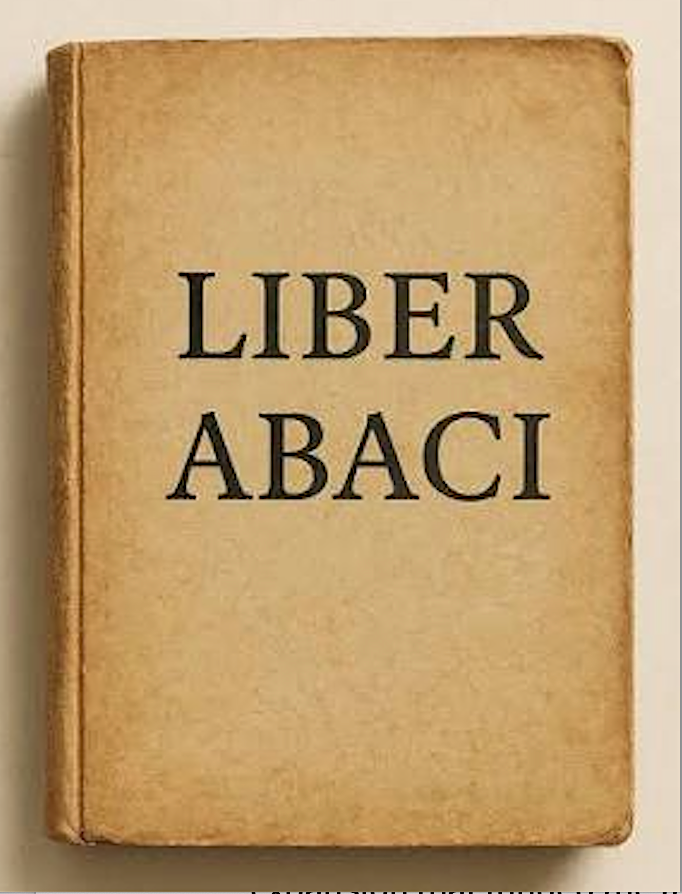
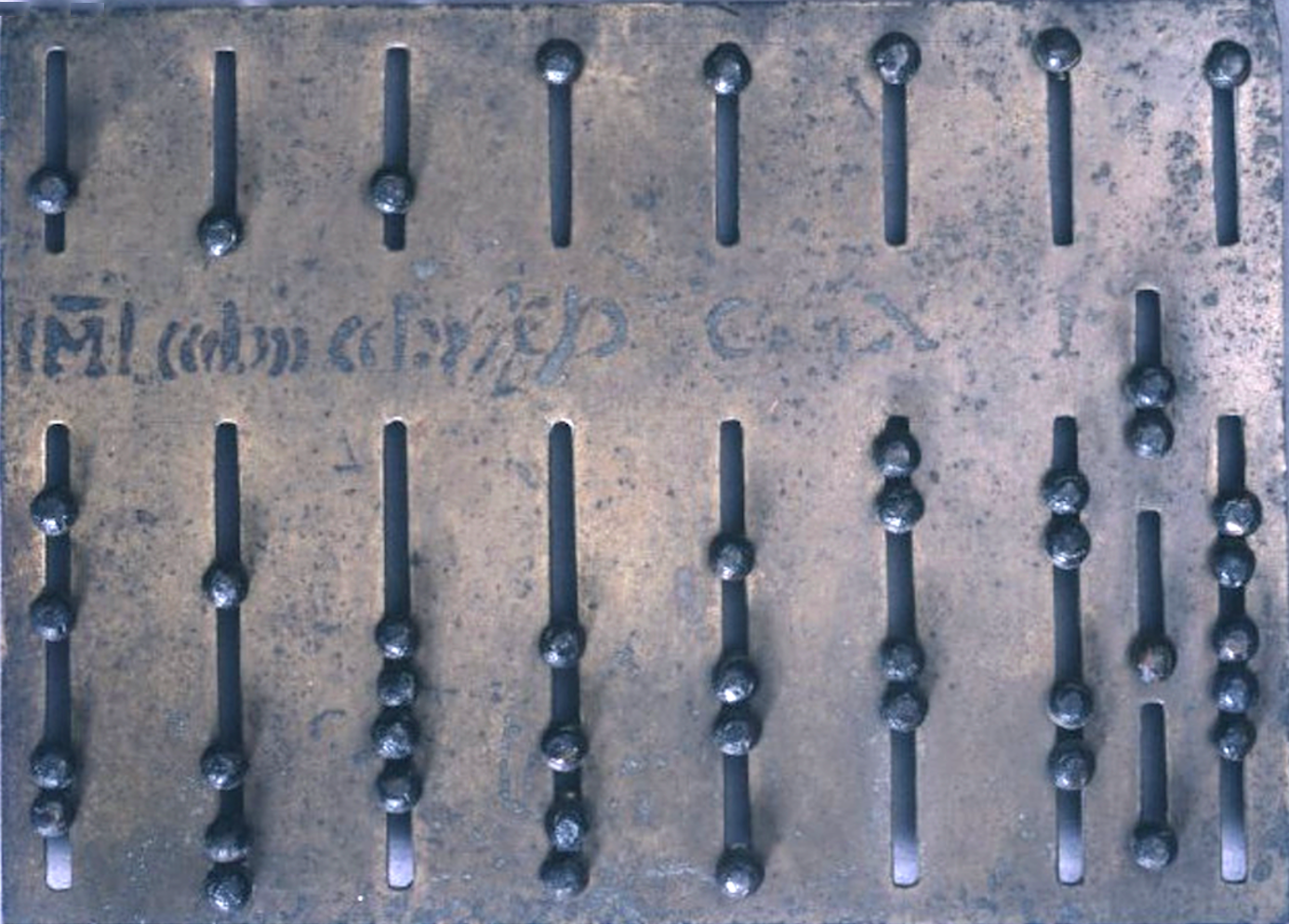
The Development of the Smart Parents Smart Kids program began with researching the Asian language math advantage reported by both the Wall Street Journal and NPR, the 1202 Middle Ages book Liber Abaci written by Italian mathematician Leonardo Bigollo Pisano, and the structure of the two-thousand-year-old Ancient Roman abacus that became the format for the Japanese soroban abacus centuries later in the 1930's. Combining the practical applications of these elements shaped the strongest method for teaching and advancing young children in math. The Asian language advantage was converted to a visual approach. By coupling that with Pisano's concepts of zero and the mathematical and neurological power of the Roman/Japanese abacus, SPSK exclusively advances young American children from any background ahead of grade level.
Following testing, the program was redesigned so that the abacus was no longer necessary. This change became essential because the preferred imported device used in testing - clearly the best for children - was no longer available. However, abandoning that particular imported wooden abacus reduced the cost per participant, enabling us to serve more children. Below is video showing early classroom validation.
Please Support our Trajectory-Changing and Accountable Nonprofit
Contact ECS: [email protected]